
Quick answer
Yes, and the real numbers are bigger than most people expect. In the landmark 2013 trial, 82% of men combining weekly microneedling with minoxidil saw more than 50% improvement in their hair loss, against just 4.5% on minoxidil alone. A 2024 randomized trial found the same pattern: hair density nearly doubled with the combination (95.6 vs 52.4 hairs/cm²) compared to minoxidil by itself. The honest caveat: these are small trials (36-100 participants), side effects are somewhat more common with the combination, and you need a genuine 12 weeks before judging results. For home use, a 0.5mm needle depth used once weekly is the evidence-backed, dermatologist-recommended combination, not a longer needle used more often.
Why trust this: every figure below comes from peer-reviewed randomized trials and meta-analyses, linked at the bottom of this article, not brand marketing pages. See our Methodology page for how we vet everything on this site.
Reviewed against current clinical literature: 10 September 2026.
Best for
- You, if: you’re already using minoxidil consistently, you’ve given it a full trial (4+ months), and you want to improve on your results rather than switching products entirely.
- Not you, if: you haven’t started minoxidil yet. Get that right first (see our Minoxidil evidence guide) before adding a second variable on top of it.
- Not the same as: general scalp exfoliation. That’s a lighter, more frequent scalp-comfort habit with no direct growth claim behind it. Microneedling is a separate, deeper mechanism with its own evidence and its own rules on depth and frequency, covered below.
The Invigare Verdict
This is one of the rare cases in hair loss content where the internet’s enthusiasm and the actual evidence roughly agree. Microneedling appears to make minoxidil work better, not just faster, across multiple independent trials, and a 0.5mm titanium roller is cheap enough that there’s very little to lose by trying it properly. The risk isn’t that it doesn’t work, it’s overdoing it, going too deep or too often, which the evidence is specifically clear can backfire into irritation and scarring instead of results.
How microneedling actually works
A derma roller creates hundreds of microscopic punctures in the scalp. Two things happen as a result. First, those channels temporarily improve how well topical minoxidil penetrates the skin, so more of it reaches the follicle instead of sitting on the surface. Second, and this part is often left out of product marketing, the micro-injuries themselves trigger your skin’s natural wound-healing response, releasing growth factors that are separately linked to hair follicle activity. It’s this second mechanism that explains why microneedling shows an independent effect in some trials even without minoxidil, though the evidence for that specific claim is thinner than for the combination.
What the clinical evidence actually shows
The foundational study here is a 2013 trial published in the International Journal of Trichology (Dhurat et al.), often cited because it was one of the first to test this combination properly. 100 men with mild-to-moderate pattern hair loss were split into two groups: one used twice-daily 5% minoxidil alone, the other added weekly microneedling on top of the same minoxidil routine. At 12 weeks, 82% of the microneedling group reported more than 50% improvement, against 4.5% in the minoxidil-only group. Mean hair count increased by 91.4 in the combination group, versus 22.2 for minoxidil alone. New growth was noticeable by around 6 weeks in the microneedling group, versus 10 weeks for minoxidil by itself.
That’s one trial, and a fair question is whether it holds up. It does, reasonably well. A 2024 randomized controlled trial of 36 men (ages 26-51) found hair density of 95.6 hairs/cm² in the combination group against 52.4 for minoxidil alone at 12 weeks, with hair diameter nearly three times greater (18μm vs 6μm). A 2024 meta-analysis pooling multiple trials confirmed the same direction of effect, with the strongest improvement signal appearing at the 12-week mark specifically, which is why that’s the minimum fair trial period, not 4 or 6 weeks.
The honest limitation: these are still relatively small studies (36 to 100 participants), typical for dermatology device research but smaller than the landmark minoxidil-alone trials that ran into the hundreds. The direction of the effect is consistent across separate research groups, but treat the exact percentages as a real signal, not a guarantee of your own result.
Side effects and who should be cautious
Combining microneedling with minoxidil produces mild side effects more often than using minoxidil alone, consistent across the trials above. In practice this mostly means temporary scalp redness, tenderness, or minor irritation in the days after rolling, generally self-limiting rather than serious. It’s worth taking seriously if it doesn’t settle within a couple of days.
- Avoid it if you have an active scalp infection, open sores, or eczema/psoriasis flare-ups on the scalp, since you’d be introducing micro-punctures into already-compromised skin.
- If you’re on blood thinners, talk to a pharmacist or GP first. Microneedling causes small bleeding points, which matters more on blood-thinning medication.
- Never share a derma roller. The micro-punctures it creates are a real route for infection transfer between users.
How to actually do it, based on the evidence
This is where most home users get it wrong, not by using microneedling at all, but by using too long a needle too often, assuming more must be better.
- Needle depth: 0.5mm is the depth used in the trials above and the depth dermatologists most commonly recommend for unsupervised home use. It’s deep enough to trigger the mechanisms above, shallow enough to be genuinely safe without professional supervision. Needles longer than 0.5mm create bigger punctures that need real recovery time, and are generally a professional-treatment territory, not a bathroom-cabinet routine.
- Frequency: once weekly. This matches the clinical protocol above and gives the scalp time to heal between sessions. Daily use isn’t supported by any of the evidence here and raises real risk of irritation, and in the worst cases, scar tissue that can work against future hair growth rather than for it.
- Order of operations: cleanse the scalp, roll in a few directions (vertical, horizontal, diagonal) with light, even pressure, then apply minoxidil afterward so it can absorb through the fresh channels. Sanitize the roller with isopropyl alcohol before and after every use.
- Timeline: give it a full 12 weeks, matching where the clinical signal actually shows up, before deciding whether it’s working for you.
Related: Genetics, stress or diet: what is actually causing your hair loss?
Related: Minoxidil UK price: Regaine vs Sons cost per month
FAQs
Can I use microneedling without minoxidil?
You can, and some evidence suggests a standalone effect, but the strongest, most consistent results in the research above come specifically from the combination. If you’re not using minoxidil at all, that’s the higher-priority piece to get right first.
Will microneedling work if minoxidil hasn’t done anything for me?
Possibly, since it works through a partially different mechanism (wound-healing growth factors, not just improved absorption), but there’s no trial specifically testing microneedling as a rescue for confirmed minoxidil non-responders. Treat it as an enhancement to a routine that’s already showing some effect, not a guaranteed fix for one that’s shown none.
Is a longer needle better since it goes deeper?
No, and this is the most common home-use mistake. The evidence above used 0.5mm specifically. Longer needles need longer recovery time between sessions and are generally meant for in-clinic use under supervision, not more frequent unsupervised use at home.
Where to buy
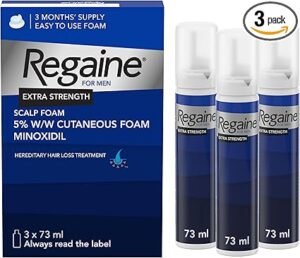
The only OTC ingredient with real clinical backing behind it, and the actual minoxidil most UK reviewers we read have real experience with. Expect a slow build, and some scalp irritation early on is common.
Regaine For Men Hair Regrowth Foam Last checked Sep 2026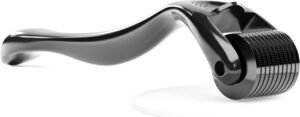
Real clinical research backs this up — studies combining microneedling with minoxidil show better regrowth than minoxidil alone, by creating micro-channels that improve absorption and trigger a mild healing response. Not a standalone treatment, and it genuinely will not work without something applied alongside it. Real complaint pattern worth flagging: some users report the needles dulling or the roller feeling flimsy after a few months of use — treat it as a consumable to replace periodically, not a lifetime tool.
0.5mm Titanium Derma Roller Last checked Sep 2026Invigare is reader-supported. We may earn a commission from qualifying purchases made through links on this page, across multiple retailers and affiliate programmes. This never affects which product we recommend first. Full Affiliate Disclosure and Methodology.
This content is informational only and isn’t a substitute for professional medical or dermatological advice. If you have a scalp condition, are on blood thinners, or are unsure whether this is right for you, check with a pharmacist or GP first.
Sources
- A Randomized Evaluator Blinded Study of the Effect of Microneedling in Androgenetic Alopecia (International Journal of Trichology, Dhurat et al. 2013)
- Clinical Efficacy and Mechanisms of Microneedling Alone or Combined With Drugs in the Treatment of Androgenetic Alopecia (2025 systematic review)
- A Randomized Controlled Study of Topical Minoxidil Plus Microneedling vs Minoxidil Alone (JCAS, 2024)
- Minoxidil + Microneedling Meta-Analysis Research Summary (Abdi 2023)
- How Often Should You Use a Derma Roller? (eMediHealth)