
Quick answer
Nioxin and Alpecin get compared constantly, but they’re not really built for the same job. Nioxin is a three-step system for early-stage thinning that wants you to build a proper routine. Alpecin is a caffeine shampoo that replaces one you already use, with far less effort involved. Neither reverses genetics on its own, and the clinical evidence behind each is real but modest. The honest differences matter more than the marketing on either box, so read on before you choose.
Why trust this: every clinical figure below is sourced from real studies and independent dermatology review, linked at the bottom of this article, including a genuine regulatory finding most comparisons leave out. See our Methodology page for how we vet everything on this site.
Reviewed against current clinical literature: 23 August 2026.
Best for
- Nioxin: you’re seeing early thinning at the crown or part line and are willing to add a short daily routine (cleanse, scalp treatment, sometimes a leave-in step).
- Alpecin: you want the lowest-effort way to start doing something, and you’re fine swapping your existing shampoo rather than adding a new habit.
The Invigare Verdict
If you want a full routine and don’t mind the extra steps, Nioxin’s system is the stronger long-term pick. Just go in knowing some longtime users report the current formula feels less effective than it used to. If you want the lowest-effort way to start, Alpecin is genuinely good enough. But the UK’s advertising regulator has already ruled its own maker can’t claim it reduces hair loss, so treat it as scalp maintenance, not a treatment.
What each one actually is
Nioxin System Kits (System 1, 2, or 3, depending on hair type and how much thinning has already happened) are a three-part routine: a cleansing shampoo, a scalp therapy conditioner, and a leave-in scalp treatment. The formula centers on caffeine and peptides intended to extend the hair’s growth phase and counteract the effects of DHT, the hormone most responsible for male pattern hair loss, at the follicle level.
Alpecin Caffeine Shampoo C1 is a single-step product: a shampoo you use instead of your regular one, left on the scalp for a couple of minutes before rinsing. Its entire case rests on caffeine’s ability to penetrate the scalp and interact with DHT during that short contact window.
Not sure either of these is actually the right starting point? Our Minoxidil evidence guide covers the treatment with the strongest clinical backing, and our Hair Loss Treatments picks are a good next stop either way.
What the evidence actually shows
This is the part most comparisons skip, and it’s where the real difference between these two shows up.
Nioxin’s own research points to a hair-diameter increase of up to 13% after 30 days of consistent use of System 2. That’s a real, specific, brand-reported figure, worth treating as exactly that. Independent dermatology sources are more measured: Nioxin is a genuinely useful scalp-cleansing and cosmetic adjunct that can visibly improve thinning hair’s appearance, but it is not a proven standalone treatment for reversing DHT-driven hair loss. For that, the evidence points to established medical therapies like minoxidil, not a shampoo system.
Alpecin’s case rests on a company-funded, randomized, double-blind study of 66 men over six months, which found reduced hair loss during pull-tests and combing, self-reported via participant questionnaires. That’s a real study, not marketing fluff, but it’s worth knowing its size and funding source before treating it as definitive. More importantly: in 2018, the UK Advertising Standards Authority specifically ruled that Alpecin could no longer claim to “help reduce hair loss,” citing insufficient evidence. Separate penetration research confirms caffeine does reach hair follicles from a rinse-off shampoo, but finds no meaningful absorption beyond that. It works locally, not systemically.
Neither product is positioned as a substitute for minoxidil or finasteride if you’re dealing with established, progressive hair loss. Both are genuinely reasonable as scalp-health maintenance or a first step before considering something stronger. That’s a different claim than “this regrows hair,” and it’s the honest one.
What reviewers actually say
Nioxin carries strong headline ratings on major retailers, but two things are worth knowing before you buy. A subset of reviews describe scalp dryness or irritation. More specifically, a recurring theme among long-term users is that the current formula “isn’t the same anymore” compared to their own past experience with it. That’s not disqualifying, but it’s a real, repeated pattern worth factoring in, not a one-off complaint.
Alpecin holds a solid 4.4-star average from over 2,000 Amazon reviews. The recurring complaints: some users report no visible results at all. More practically, it can irritate or even burn the scalp if left on longer than directed, so follow the timing on the bottle. This isn’t a “more is better” product.
Buying considerations
- Time commitment: Nioxin is a real routine (multiple steps, most people build it into a daily habit). Alpecin is a drop-in shampoo swap.
- Cost over time: Nioxin systems typically run £25-£40 for a kit that lasts a few months. Alpecin runs cheaper per bottle but needs consistent, ongoing use like any maintenance product.
- Sensitivity: if you have a sensitive scalp, Alpecin’s timing instructions matter more than usual. Irritation is the most common complaint, specifically tied to leaving it on too long.
- What you’re actually treating: if you’re seeing genuine progressive thinning, not just “my hair feels thinner than it used to,” neither of these is a substitute for a conversation about minoxidil or finasteride. Both are reasonable as maintenance, not as your only plan.
FAQs
Can I use Nioxin and Alpecin together?
There’s no direct conflict, but there’s little point. You’d effectively be doubling up on the same caffeine/DHT-adjacent mechanism through two different delivery systems. Pick one and give it a real trial, 8 to 12 weeks minimum, before judging it.
Does either of these regrow hair on its own?
Based on the evidence above: not reliably, and not as a standalone claim either brand can currently stand behind. Alpecin specifically lost the right to claim it reduces hair loss in UK advertising. Treat both as scalp maintenance, with Nioxin having somewhat more support for improving hair appearance and density in early thinning.
Which one should I start with if I’m not sure how bad my thinning is?
Alpecin, purely on effort. It’s a shampoo swap, not a new routine, and it’s the lower-commitment way to see how you respond before deciding whether to invest more time in something like Nioxin’s full system.
Where to buy
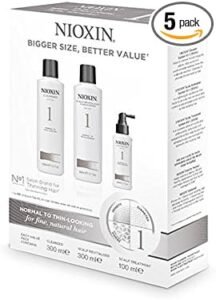
Still a solid three-step system for most people, but a real number of long-term users say the current formula isn't quite what it used to be. Worth trying, worth watching over time.
Nioxin System 1 Kit Last checked Sep 2026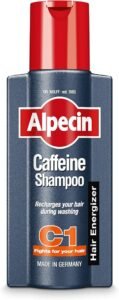
A genuinely well-reviewed daily shampoo, but leave it on too long and it can irritate rather than help. Fifteen minutes on the scalp, not fifteen seconds, is the real difference-maker.
Alpecin Caffeine Shampoo C1 Last checked Sep 2026Invigare is reader-supported. We may earn a commission from qualifying purchases made through links on this page, across multiple retailers and affiliate programmes. This never affects which product we recommend first. Full Affiliate Disclosure and Methodology.
This content is informational only and isn’t a substitute for professional medical or dermatological advice.
Sources
- Study confirms the effectiveness of Alpecin Caffeine Shampoo (Alpecin)
- Does Alpecin Work? Clinical Evidence & Analysis (Wimpole Clinic)
- Does caffeine shampoo work for hair loss? The clinical evidence (MyHairline.ai)
- Scalp Science / Clinical Results (Nioxin US)
- Does Nioxin Really Work For Hair Growth? (Wimpole Clinic)